Roofing estimating resource

Roofing Estimate Template: What to Include Before You Send One

A roofing estimate template should give a roofer a repeatable way to show the customer, project address, roof condition, scope of work, materials, labor, cleanup, payment terms, warranty notes, exclusions, and next step. The template is not the estimate. It is the frame that keeps the important details from falling out of the conversation.

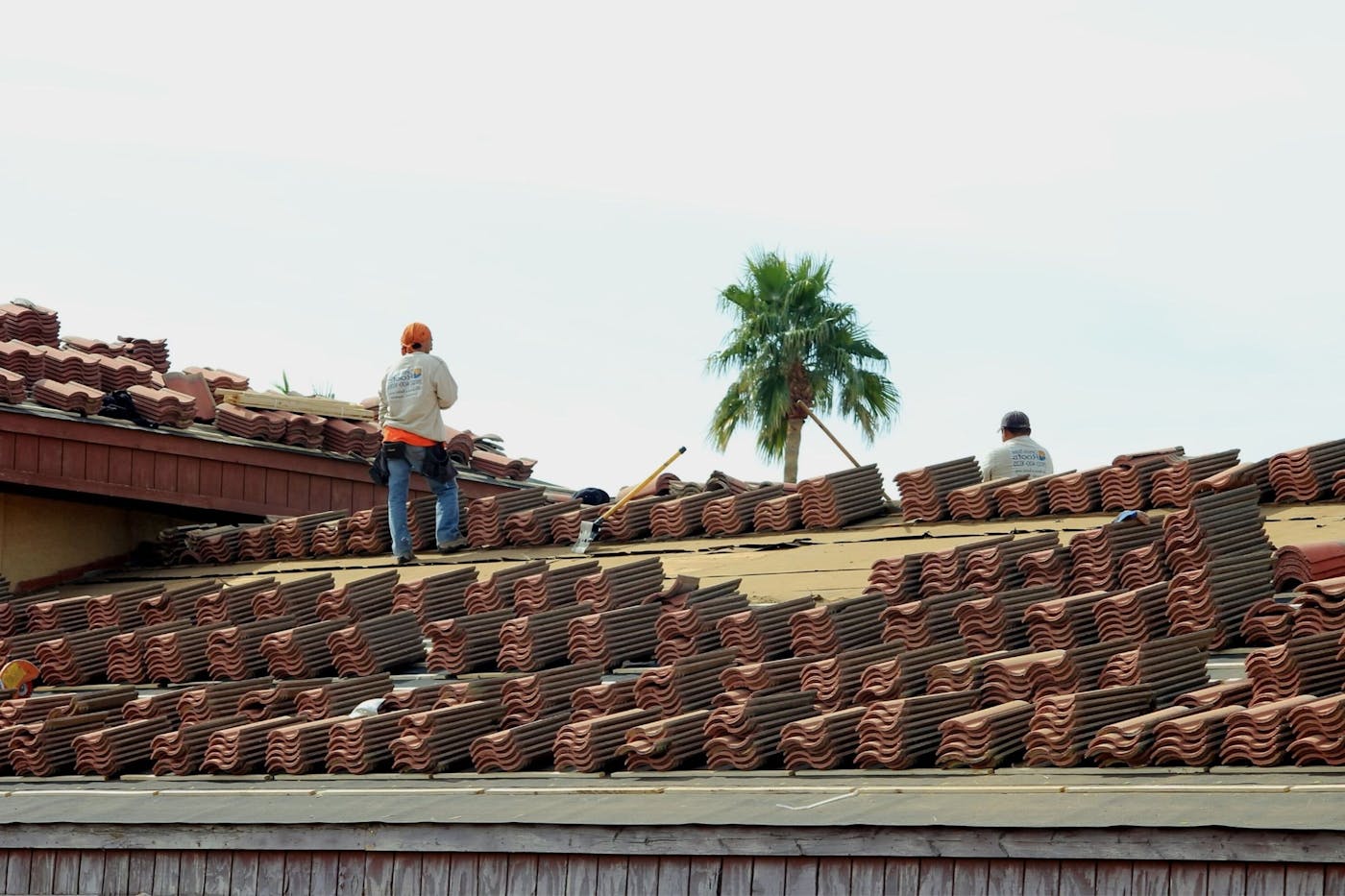
Roofing crew working with tile materials before a roofing estimate is prepared
A good estimate starts with the real work on the roof, not a blank document.

Quick answer: what a roofing estimate template should include

Company name, contact details, license number if required, and estimate date.
Customer name, project address, and the specific roof area being discussed.
Roof measurements, roof type, pitch or access notes, and visible condition notes.
Scope of work, including tear-off, installation, flashing, ventilation, cleanup, and disposal.
Materials, labor, equipment, permits, taxes, fees, and any optional upgrades shown clearly.
Payment terms, estimated timeline, warranty notes, expiration date, exclusions, and approval step.

Working spreadsheet

Need the file behind the estimate process?

The Premium Roofing Estimating & Proposal Suite gives you the editable workbook: settings matrix, job estimator, formula map, and client proposal tab in one ZIP.

Close-up roof shingles showing material details for a roofing estimate template
The template should help explain the work, not just decorate a price.

What a roofing estimate template actually does

A roofing estimate template is a reusable structure for pricing roof repair, roof replacement, inspection follow-up, maintenance work, or other roofing jobs. It gives the estimator a steady place to put the basics: who the customer is, where the project is, what the roof needs, what is included, what is not included, and what happens next.

The point is not to make every estimate sound identical. That would be a clunky little paperwork factory, and nobody needs more of those. The point is to keep the important details from getting missed when the phone is ringing, the crew is waiting, and three homeowners all want their numbers by the end of the day.

Clear beats clever. A homeowner does not need your estimate to sound impressive. They need to understand what they are paying for.

Roofing quote template vs roofing quotation template vs estimate

People use roofing estimate template, roofing quote template, and roofing quotation template like they all mean the same thing. Sometimes they do. Sometimes that is where the trouble starts.

A roofing estimate usually means an informed price based on the information available at the time. It may change if the roof condition changes, hidden decking damage shows up, or the scope expands. A roofing quote often sounds more fixed, especially when the scope is clearly defined. A roofing quotation template is usually the more formal version, often used with property managers, commercial work, or customers who expect a cleaner document trail.

The wording matters because it sets expectations. If the document is only an estimate, say what could change. If it is a fixed quote, make the scope and exclusions painfully clear. That is not nitpicking. That is how you keep a price conversation from turning into a small courtroom drama in the customer's inbox.

Roofing worker inspecting a roof before estimate details are written
The site visit and the written estimate should tell the same story.

What belongs in a roof estimate sample

A roof estimate sample should show the pieces a real customer needs to compare. Not every job needs a huge proposal. But if these details are missing, the homeowner has to guess.

Company information: business name, phone number, email, address, website, and license number if required in your area.
Customer and property details: customer name, project address, contact information, estimate number, and estimate date.
Roof condition notes: roof size, roof pitch, number of layers, visible damage, ventilation notes, access issues, and anything that affects labor.
Scope of work: tear-off, deck inspection, underlayment, flashing, drip edge, vents, shingles or roofing system, cleanup, and disposal.
Materials and labor: product names, quantities, labor phases, equipment, dumpster, permit fees, tax, and any optional upgrades.
Terms: payment schedule, expiration date, estimated start window, warranty notes, exclusions, change-order language, and signature or approval step.
Detailed roofline showing the kind of conditions that can affect a roofing estimate
Small roof details can become big estimate details if nobody names them early.

Why assumptions and exclusions matter

This is the part many generic template pages rush past. A roofing estimate is not just a list of line items. It is also a list of assumptions. What did you see? What did you not see? What is included? What would cost extra if the crew finds it after tear-off?

Decking, flashing, ventilation, old repairs, extra layers, access issues, permit requirements, weather, and disposal can all change the work. If the estimate pretends those variables do not exist, the customer feels blindsided later. That is where trust gets dented.

Vague is not professional. Vague just makes the customer guess. A good template gives you a place to write the ugly little notes before they become ugly little arguments.

Roofer installing tile materials while preparing work that will need estimate details
The estimate should follow the work: inspect, define the scope, price it, review it, then send it.

How to build a roofing estimate without making the customer decode it

The top-ranking pages all lean on the same basic flow: inspect the job, itemize the work, calculate the numbers, review the details, then send the estimate. That format works because it follows how roofing jobs actually move.

StepWhat to doWhy it matters
1. Inspect and measureConfirm roof size, pitch, layers, access, visible damage, penetrations, and material type.The numbers depend on the roof, not the mood of the spreadsheet.
2. Define the scopeWrite what work is included: tear-off, install, flashing, ventilation, cleanup, disposal, and final walkthrough.Scope is what lets the homeowner compare more than the final price.
3. Itemize costsSeparate materials, labor, equipment, permits, disposal, taxes, and optional upgrades where useful.A clean breakdown makes the estimate easier to review and harder to misunderstand.
4. Add terms and timingInclude payment schedule, expiration date, start window, project duration, and warranty notes.These details answer the questions the customer is already thinking about.
5. Review before sendingCheck math, spelling, job address, product names, exclusions, and the next step.If the estimate looks rushed, the customer can feel it.

PDF, Word, Excel, or Google Sheets

Most roofing estimate template pages push PDF, Word, Excel, Google Docs, or Google Sheets. That makes sense because different teams work differently.

PDF is clean for sending, but not great for editing. Word and Google Docs work when the estimate is more proposal-heavy and needs written detail. Excel and Google Sheets are better when calculations matter and you want reusable formulas. Estimating software can help once you need saved customer records, faster revisions, approvals, or estimate-to-invoice flow.

Do not choose a format because it looks fancy. Choose the one your team will actually update. A beautiful template with old material prices is just a nice-looking way to be wrong.

Roof tile pattern showing the kind of material detail homeowners compare in a roofing estimate example
Homeowners compare more than price when the estimate gives them real details.

What homeowners look for in a roofing estimate example

When a homeowner searches for a roofing estimate example, they are usually trying to figure out what a normal estimate should explain. They want to know whether the price includes materials, labor, cleanup, disposal, warranties, timeline, and assumptions about the roof condition.

A clear estimate helps the homeowner compare scope. Two roofing prices can look very different because one includes tear-off, flashing, ventilation, cleanup, permit notes, and warranty language while another leaves those details sitting in the dark like a loose tool under the seat.

That does not mean the estimate needs to reveal every private cost in your business. Some contractors do not break down every material and labor dollar line by line. But the customer should understand what they are buying, what they are not buying, and what would trigger a change.

When a roofing estimate template is not enough

A simple roofing estimate template is usually enough for straightforward residential repairs, small maintenance work, and clear replacement conversations. The document does not need to be beautiful. It needs to be accurate, specific, and easy to act on.

A template may not be enough for complex commercial roofs, insurance-heavy conversations, jobs with multiple options, financing approvals, structural concerns, or any project where hidden damage is likely. Those situations need more detail, photos, attachments, measurements, product documentation, or a formal contract after the estimate is accepted.

A template is a starting point, not a personality. If you send it without editing it, the customer can tell.

Common mistakes that make roofing estimates feel risky

Most estimate mistakes are not dramatic. They are small gaps. Then the customer starts filling those gaps with worry, and worry is a terrible sales assistant.

Using vague descriptions like roof job, repair work, or materials without naming the actual work.
Leaving out tear-off, cleanup, disposal, permit, decking, flashing, or ventilation notes.
Forgetting to explain what could change if hidden damage appears.
Mixing optional upgrades into the base price without labeling them clearly.
Sending an estimate with old pricing, broken formulas, or a copied customer address from the last job.
Failing to include the next step, such as call to review, approve the estimate, or ask for revisions.

The bottom line

A roofing estimate template should make the job easier to explain. That is the whole point.

It should help a roofer or office admin create a clear document without starting from a blank page every time. It should help the homeowner understand the scope, materials, labor, terms, and limits before they compare your number with somebody else's number.

The estimate does not need to perform a little tap dance. It needs to tell the truth clearly enough that the customer knows what they are looking at.

FAQ

What should a roofing estimate template include?

A roofing estimate template should include company information, customer details, project address, roof condition notes, scope of work, materials, labor, price, payment terms, timeline, warranty notes, exclusions, estimate expiration, and a clear approval or next step.

What is the difference between a roofing estimate and a roofing quote?

A roofing estimate is usually an informed approximation based on the visible scope and current information. A roofing quote often sounds more fixed for a defined scope. In practice, many residential roofers use the terms together, but the document should explain whether the price may change if hidden conditions appear.

Is a roofing quotation template more formal than a quote template?

Usually, yes. A roofing quotation template tends to sound more formal and may fit commercial work, property managers, or detailed bid conversations. A roofing quote template is often used in everyday residential sales language.

Should a roof estimate sample include itemized costs?

It should include enough itemization for the customer to understand the scope. That does not always mean exposing every private cost inside the business, but it should clearly separate major categories such as materials, labor, permits, disposal, cleanup, optional upgrades, and exclusions.

How many pages should a roofing estimate be?

For many residential jobs, one or two pages is enough. A simple repair may need one clean page. A roof replacement, commercial job, insurance-related project, or multi-option proposal may need more detail, photos, attachments, or a separate contract.

Should roofing estimates be free?

Many residential roofers offer free estimates, especially for straightforward repair or replacement jobs. Complex commercial inspections, detailed reports, engineering issues, or travel-heavy assessments may justify a fee. The important part is telling the customer before the visit.

Can I use one roofing estimate template for every job?

Use one base structure, but edit it for each job. Roof type, material selection, access, pitch, decking, ventilation, permits, payment terms, and warranty notes can change from project to project.

Helpful outside references

Disclaimer: This is a drafting and marketing resource, not legal, accounting, insurance, or estimating advice. Review pricing, terms, warranties, permits, local requirements, financing language, and insurance-related wording before sending any estimate to a customer.